 Avenue Decor
Avenue Decor
Avenue Decor
Installing WPC wall panels can transform your space, but uneven surfaces present challenges. Many homeowners face this issue. Knowing "how to install WPC wall panels on uneven surfaces?" can help ease frustration.
WPC panels are lightweight and durable, making them an excellent choice for interior walls. However, tackling uneven surfaces requires careful planning. You may need additional tools, like a level and shims, to ensure a proper installation. This task can be daunting for beginners. It's essential to approach it with the right mindset and expectations.
Mistakes can happen. For instance, inadequate measurements could lead to gaps. It's crucial to double-check dimensions before cutting panels. Embrace the learning process. Every step brings you closer to a polished finish. Understanding the process can help anyone achieve a successful installation.
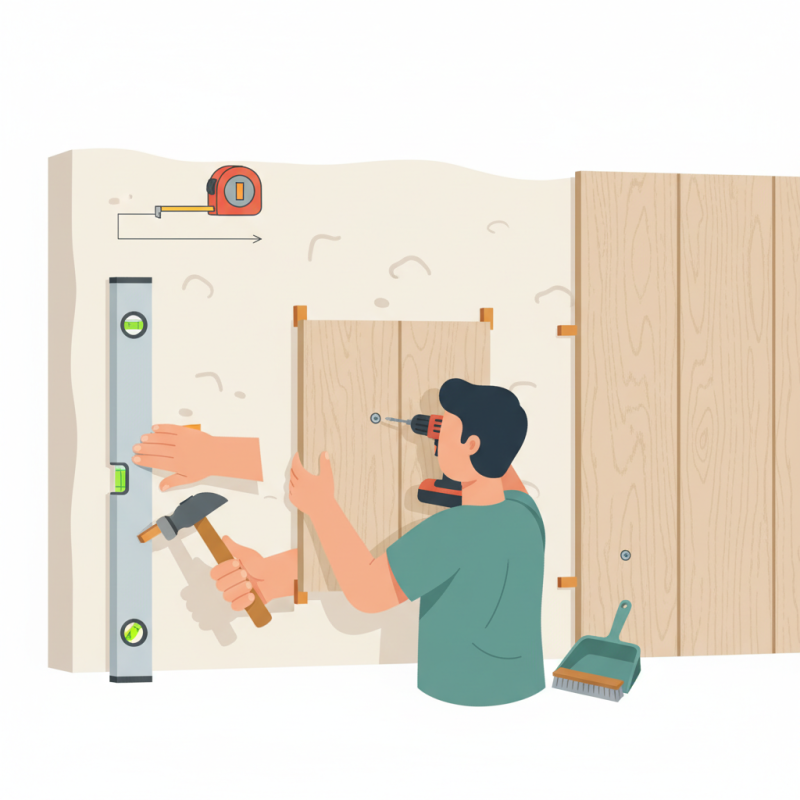
Choosing the right WPC wall panels for uneven surfaces can be challenging. Various factors come into play, including material flexibility and installation method. WPC panels are generally made from wood and plastic composites, offering durability and resistance to moisture. Make sure to select panels with some flexibility to adapt to the irregularities of your wall.
Consider the thickness of the panels. Thicker panels can sometimes resist warping better, which is crucial for uneven surfaces. Look for panels with a tongue-and-groove design. This can help create a tighter fit, reducing gaps and ensuring a cleaner finish. However, this can be tricky; misalignment might still occur if the wall is excessively uneven.
Pay attention to the color and texture of the panels. Choosing the right shade can help disguise imperfections in the wall. A textured finish can also minimize the visibility of any unevenness. Opt for a matte surface over glossy, as it can better hide flaws. It’s important to reflect on how your choices impact the overall aesthetic. Embrace the imperfections; they can add character to your space.
| Feature | Description | Benefits |
|---|---|---|
| Texture Variations | Comes in various textures to mimic natural materials. | Enhances aesthetic appeal and hides imperfections. |
| Thickness Options | Available in multiple thicknesses to accommodate uneven surfaces. | Provides flexibility in installation and better coverage. |
| Installation Techniques | Can be installed using adhesive, screws, or clips. | Easier adaptation to irregular surfaces. |
| Water Resistance | Resistant to moisture and humidity, suitable for various environments. | Longevity and durability in challenging conditions. |
| Eco-Friendly Options | Made from recycled materials, reducing environmental impact. | Sustainable choice for environmentally-conscious consumers. |
: Look for panels that offer flexibility and are thicker to resist warping.
This design helps create a tighter fit, reducing gaps for a cleaner finish.
The right shade can disguise wall imperfections, while textured finishes minimize visibility of unevenness.
You’ll need a level, measuring tape, a circular saw, and a power drill for effective installation.
Using a stud finder to locate wall studs and applying adhesive can enhance stability.
Reflect on your installation method and adjust it based on past experiences for better results.
Shims help create a level appearance when dealing with particularly uneven surfaces.
Panels may shift or gaps may occur; being patient and adjusting methods can help.
This prevents costly errors and ensures compatibility with the wall’s unevenness.
Matte surfaces better hide flaws and imperfections on uneven walls compared to glossy finishes.
In this article, titled "How to Install WPC Wall Panels on Uneven Surfaces Easily?", we explore the essential steps for successfully installing WPC wall panels on challenging surfaces. The process begins with choosing the right WPC wall panels specifically designed for uneven surfaces, followed by adequately preparing the wall to ensure a smooth installation. Essential tools and materials are outlined to facilitate the project, making it accessible for DIY enthusiasts.
A detailed step-by-step guide walks readers through the installation process, ensuring they are equipped with the knowledge to tackle uneven walls effectively. Finally, the article provides valuable finishing touches and maintenance tips for WPC wall panels, ensuring that they remain durable and aesthetically pleasing over time. Overall, this guide serves as a comprehensive resource for anyone asking, "How to install WPC wall panels on uneven surfaces?
