 Avenue Decor
Avenue Decor
Avenue Decor
Cleaning and maintaining HPL plywood surfaces can seem daunting. Yet, it's essential for preserving their beauty and functionality. Many homeowners and businesses ask, "How to clean and maintain HPL plywood surfaces?" The answer lies in understanding the unique characteristics of HPL.
These surfaces are durable but can be sensitive to certain cleaners and methods. Regular cleaning prevents grime buildup. Over time, neglect can lead to irreversible damage. You may notice scratches or dullness if you don't act promptly. Choosing the right cleaning agents is crucial. Products that are too harsh can strip the surface's layer. On the other hand, gentle cleansers work wonders.
Developing a maintenance routine needs consideration. Every surface is different, and not all techniques will work for you. You might need to experiment a bit to find the most effective method. Remember, consistency is key. Regular attention to your HPL plywood surfaces will keep them looking new.
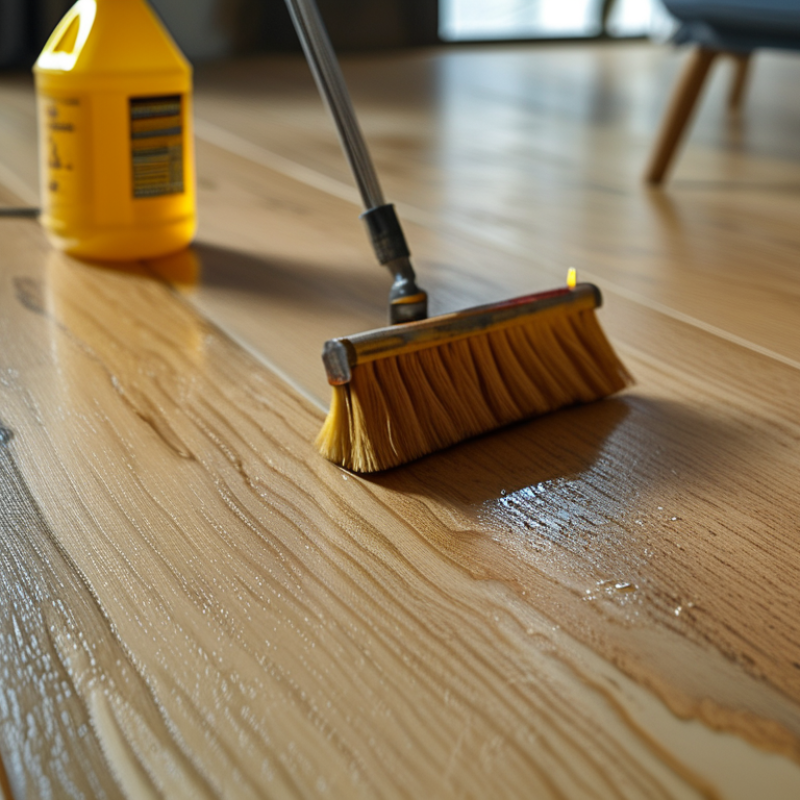
High-Pressure Laminate (HPL) plywood is popular for its durability and aesthetic appeal. It consists of a layered structure, typically made from wood fibers and resin. HPL surfaces are resistant to scratches, moisture, and fading. This makes them suitable for both residential and commercial applications. Understanding the composition helps in maintaining these surfaces effectively.
Maintaining HPL plywood involves simple, routine care. Use a soft, damp cloth for daily cleaning. Avoid harsh chemicals that can damage the surface. For stubborn stains, mild soap can be used. Make sure to rinse with water afterward. Prolonged exposure to direct sunlight can cause discoloration over time. So, be mindful of the environment where HPL is installed.
Tips: Regular dusting prevents grime buildup. Use coasters and trivets to avoid heat damage. Remember, while HPL is durable, it’s not invincible. Minor scratches can occur. So, reflect on your usage patterns to ensure longevity. Proper care can enhance the lifespan of your HPL surfaces significantly.
| Dimension | Details |
|---|---|
| Composition | HPL (High Pressure Laminate) is made from layers of resin-infused paper and a core material, typically plywood or particleboard. |
| Properties | Durable, moisture resistant, scratch resistant, and easy to maintain. Available in various finishes and colors. |
| Cleaning Method | Use a damp cloth with mild soap for regular cleaning. Avoid abrasive cleaners that can damage the surface. |
| Maintenance Tips | Avoid excessive moisture, use cutting boards to prevent scratches, and perform periodic deep cleaning with appropriate solvents. |
| Common Issues | Chipping at edges, discoloration due to excessive heat, and water damage if not maintained properly. |
| Longevity | With proper care, HPL surfaces can last 10-20 years, depending on usage and maintenance. |
: Use a soft microfiber cloth and a non-abrasive scrub pad for tougher stains.
A spray bottle helps apply solutions evenly on the surface.
Harsh chemicals can damage the surface. Stick to mild detergents mixed with warm water.
Consistent cleaning prevents scratches and stains, maintaining the surface's longevity.
Avoid placing hot items directly on the plywood to prevent warping or discoloration.
Many people neglect regular maintenance, which leads to harder-to-remove stains and scratches.
Let the surface air dry or use a soft, lint-free cloth to avoid streaks.
Using a dehumidifier can help reduce humidity levels and prolong the material's life.
Regular inspections help catch minor issues early, preventing more significant repair needs later.
No, always test cleaners on a small area first, and stick to pH-balanced options for safety.
The article titled "How to Clean and Maintain HPL Plywood Surfaces Effectively?" provides valuable insights into the care of High-Pressure Laminate (HPL) plywood. It begins by explaining the composition and properties of HPL plywood, highlighting its durability and aesthetic appeal. Essential tools and supplies needed for effective cleaning are outlined, ensuring that readers are well-equipped to maintain their surfaces.
The step-by-step guide offered in the article details practical cleaning techniques, while maintenance tips emphasize methods to prolong the life and appearance of HPL plywood. Additionally, common mistakes are identified to help readers avoid pitfalls in care. Overall, this article serves as a comprehensive resource for anyone looking to understand "How to clean and maintain HPL plywood surfaces?" and ensure their longevity.
