Choosing the right flooring is crucial for any project. Many homeowners ponder, "What is the difference between WPC and SPC flooring?" According to industry expert Mark Thompson, “WPC offers more comfort, while SPC provides superior durability.” Understanding these differences can guide your decision-making process.
WPC, or Wood Plastic Composite, combines wood fibers and PVC. This makes it softer and more comfortable underfoot. In contrast, SPC, or Stone Plastic Composite, contains stone and PVC. This combination results in a hard, durable surface that withstands heavy foot traffic. It's essential to consider how each material aligns with your project's needs.
Your choice may impact aesthetics and functionality. For instance, WPC floors have a warm, inviting look. SPC floors often mimic natural stone. Reflect on the specific demands of your space. Consider factors like moisture levels and maintenance. Each option has its pros and cons, and weighing them carefully is vital. The right choice connects your design vision with practical requirements.
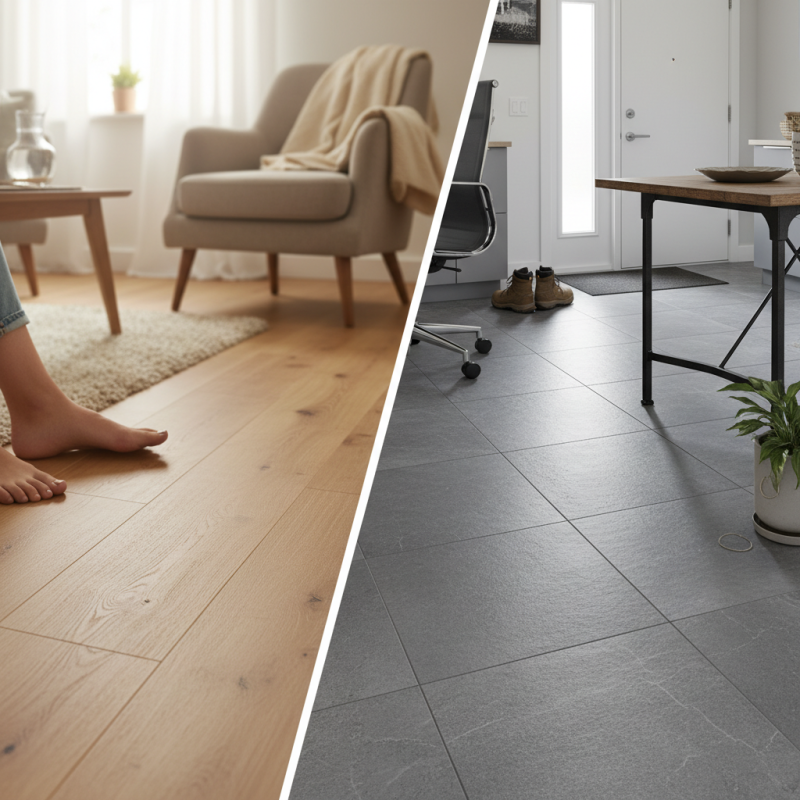
Understanding WPC and SPC Flooring: Definitions and Features
WPC (Wood Plastic Composite) and SPC (Stone Plastic Composite) flooring are popular choices in modern construction. Both types have unique features. WPC flooring combines wood fibers with plastic, offering a high level of comfort and insulation. It is lightweight yet durable. It’s ideal for residential spaces, especially in areas exposed to moisture.
SPC flooring, on the other hand, is made from limestone and PVC. This makes it extremely strong and more resistant to heavy loads. It’s perfect for commercial spaces and high-traffic areas.
Recent reports indicate that WPC flooring accounts for over 30% of the market share in residential flooring. In contrast, SPC’s market share continues to grow, driven by its durability in challenging environments. It’s noteworthy that SPC can outperform WPC in scratch resistance and stability. However, WPC may provide a more natural feel underfoot.
Tip: If you’re considering flooring options, think about the environment. Evaluate moisture levels carefully, as it can significantly influence your choice. Also, keep in mind the installation process. SPC is often easier to install, while WPC offers a more cushioned feel. Always weigh your options based on specific project needs.
Key Differences Between WPC and SPC Flooring: A Comparative Analysis
When deciding between WPC and SPC flooring, it's important to understand their key differences. WPC, or Wood Plastic Composite, combines wood fibers and PVC. It's softer underfoot and offers great sound absorption. This makes it ideal for residential use. However, WPC can be prone to scratches and dents, especially in high-traffic areas.
SPC, or Stone Plastic Composite, features a rigid core made of limestone and polyvinyl chloride. This provides exceptional durability and resistance to impacts. SPC is an excellent choice for commercial spaces due to its strength. Still, its rigid nature can lead to a less comfortable feel underfoot.
Both options have their merits and shortcomings. WPC brings warmth and comfort, while SPC offers toughness and longevity. Each material may suit different project needs. Assess your environment, foot traffic, and design preferences carefully. The choice isn't always clear-cut.
Comparison of WPC and SPC Flooring Attributes
Advantages and Disadvantages of WPC Flooring for Your Project
WPC flooring, or Wood Plastic Composite, combines wood fibers and plastic to create a durable and water-resistant material. It offers a softer feel underfoot compared to SPC due to its thicker core. Many builders choose WPC for areas with moderate moisture, like kitchens or basements. Its ability to absorb sound makes it quieter when walked on. However, WPC flooring can be less stable in extremely hot or humid environments, leading to slight expansion or contraction. This may require extra attention during installation.
One advantage is the ease of installation because WPC planks are often lighter and click together smoothly. On the downside, some lower-quality WPC products may wear down faster or display dents more easily. Durability depends heavily on the manufacturing process and core density. Also, the surface design options are vast, but not all mimic natural wood textures convincingly. Deciding to use WPC flooring means weighing comfort and quietness against potential dimensional changes over time. Reflecting on these trade-offs is crucial for long-term satisfaction.
Advantages and Disadvantages of SPC Flooring for Your Project
SPC (stone plastic composite) flooring is a popular choice for many projects. It offers several advantages. First, SPC flooring is highly durable. It resists scratches and dents better than many other flooring types. This makes it ideal for high-traffic areas. The waterproof quality is another significant plus. It can withstand spills and moisture, making it suitable for kitchens and bathrooms.
However, SPC flooring has some drawbacks. It generally provides less comfort than WPC flooring. SPC is stiffer and can feel cold underfoot. This may not be ideal for homes with children or pets. Additionally, the installation process may require a more specialized approach. Improper installation can lead to issues, such as uneven surfaces.
Tips: Consider the specific needs of your space before making a choice. For instance, if warmth and comfort are priorities, WPC might be better. Evaluate your budget, as SPC can sometimes be more expensive when factoring in installation costs. Lastly, always compare samples to see how they perform in your environment. It’s essential to choose based on practical usage rather than trends alone.
Factors to Consider When Choosing WPC or SPC Flooring for Your Needs
When choosing between WPC (Wood Plastic Composite) and SPC (Stone Plastic Composite) flooring, several critical factors come into play. Both flooring types are popular for their durability and aesthetic appeal, but they have distinct characteristics that may suit different needs. According to a report by Freedonia Group, the growth of WPC and SPC flooring has been driven by their water resistance and ease of installation, making them ideal for various settings.
One key consideration is moisture resistance. SPC flooring is renowned for its superior stability in wet environments. This characteristic makes it a suitable choice for areas like basements and bathrooms. In contrast, WPC, while also water-resistant, may not perform as well under excessive moisture conditions. Additionally, SPC generally offers a more rigid core, enhancing its durability in high-traffic areas. A study from the Resilient Floor Covering Institute reveals that 40% of consumers prioritize durability and moisture resistance when selecting flooring.
Another aspect to reflect on is installation ease. Both flooring types can be installed over existing floors with minimal preparation. However, WPC’s lighter material often makes it easier to handle. Users report enjoying the quick turnaround times with WPC installations. With proper research, homeowners can choose the flooring that best fulfills their specific requirements. The decision ultimately hinges on factors such as climate, usage, and personal preference.
How to Choose Between WPC and SPC Flooring for Your Project?
| Factor |
WPC Flooring |
SPC Flooring |
| Material Composition |
Wood Plastic Composite |
Stone Plastic Composite |
| Water Resistance |
Moderate |
Excellent |
| Durability |
Good |
Very Good |
| Installation Method |
Click Lock |
Click Lock / Glue Down |
| Comfort Underfoot |
Cushiony Feel |
Firm Feel |
| Acoustic Properties |
Good Sound Absorption |
Moderate Sound Absorption |
| Price Range |
$3 - $7 per sq ft |
$2 - $6 per sq ft |
FAQS
: WPC consists of wood fibers mixed with PVC.
It is softer underfoot and absorbs sound well, enhancing comfort.
It can scratch and dent easily, especially in high-traffic areas.
SPC is made from limestone and polyvinyl chloride, creating a rigid core.
SPC is highly durable and resistant to impacts, suitable for heavy use.
SPC offers better stability in wet environments than WPC, which may struggle.
Both types can be installed over existing floors, but WPC is lighter and easier to handle.
WPC provides a warmer and more comfortable feel underfoot compared to SPC.
Yes, but SPC is more reliable in wet areas than WPC.
Consider your environment and foot traffic before making a decision.
Conclusion
In the article "How to Choose Between WPC and SPC Flooring for Your Project?", the author explores the essential aspects of WPC (Wood Plastic Composite) and SPC (Stone Plastic Composite) flooring, providing a detailed understanding of their definitions and features. The piece highlights key differences between WPC and SPC flooring through a comparative analysis, shedding light on the specific advantages and disadvantages of each option.
When deciding which flooring type to choose, essential factors such as durability, water resistance, and installation methods are discussed. Ultimately, the article addresses the question, "What is the difference between WPC and SPC flooring?" by outlining how each type aligns with different project needs, helping readers make an informed decision based on their unique requirements.
 Avenue Decor
